
Unveiling the Features of the Harbin Z-19 Attack Helicopter
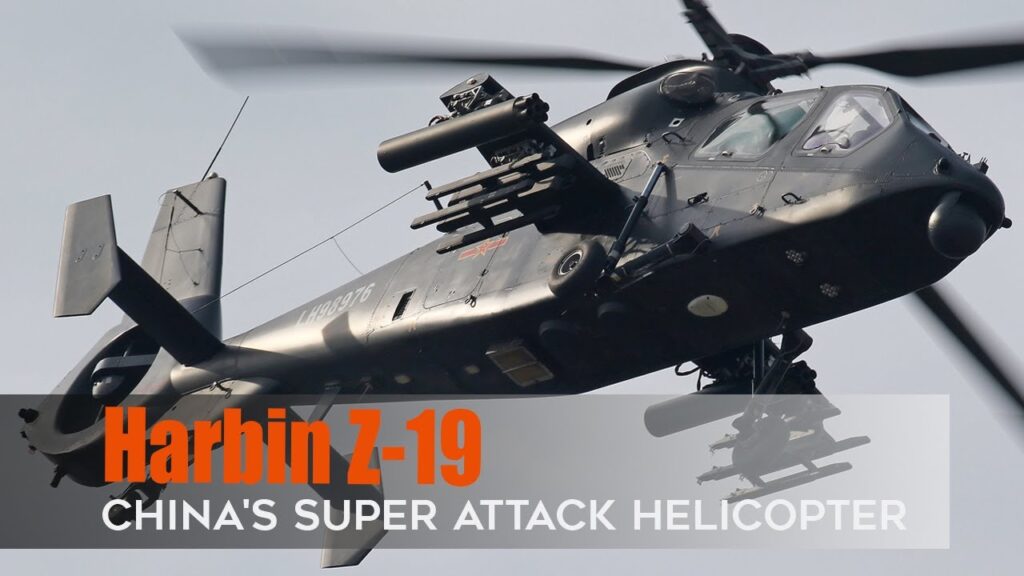
The Harbin Z-19, also known as the Black Whirlwind, is a formidable attack helicopter produced by Harbin Aircraft Industry Group. Developed from the Harbin Z-9W, this modern military aircraft is a testament to the technological prowess of the Chinese aviation industry.
Design and Performance
The Harbin Z-19 features a tandem cockpit layout, accommodating two pilots with the gunner seated in the front and the pilot in the rear. It has a sleek, narrow body to reduce radar cross-section, and its design emphasizes speed, maneuverability, and low-altitude operation. Its twin turboshaft engines enable a maximum speed of 280 km/h, with a combat range of 700 km, making it a high-performance machine on the battlefield.
Armament and Avionics
The Z-19 is heavily armed, boasting a range of weapons systems including anti-tank guided missiles, air-to-air missiles, and a 23 mm autocannon. It also has the capacity to carry unguided rockets, making it highly versatile in combat scenarios. Its avionics include a millimeter-wave radar, a helmet-mounted sight system, and advanced electronic warfare systems, providing the Z-19 with superior detection and countermeasure capabilities.
Stealth Features and Protection
The Harbin Z-19 is equipped with stealth features, including radar-absorbent materials and a reduced noise design. It also has a number of protection systems, including armor plating, infrared suppressors, and crash-resistant seats, enhancing the survivability of the crew in hostile environments. With these features, the Z-19 can carry out a range of missions, from reconnaissance and close air support to anti-tank and air-to-air combat.
Harbin Z-19: A Deep Dive into Its Performance and Capabilities
The Harbin Z-19, also known as the Black Whirlwind, is a versatile and powerful attack helicopter produced by the Harbin Aircraft Industry Group. Designed and developed in China, this formidable aircraft boasts impressive performance metrics and an array of advanced capabilities, making it a crucial asset in the modern battlefield.
Performance
The Harbin Z-19 features a twin-engine design that allows it to reach top speeds of approximately 280 km/h, with a maximum range of around 700 km. Its service ceiling is roughly 6,400 meters, and it can climb at a rate of 13.3 m/s. These performance figures, combined with its ability to carry a payload of up to 1,600 kg, makes the Z-19 a formidable force in a variety of combat scenarios.
Capabilities
Equipped with a variety of weapons systems, the Harbin Z-19 is capable of carrying out a range of missions. It can be armed with anti-tank missiles, air-to-air missiles, and a 23mm cannon. Furthermore, it features advanced avionics, including a millimeter-wave fire control radar, a helmet-mounted sight, and an infrared sensor, providing the crew with superior situational awareness and target acquisition capabilities. In addition to its combat roles, the Z-19 can also be used for reconnaissance and training missions, thanks to its tandem seating arrangement and advanced navigation systems.
Enhancements and Upgrades
The Harbin Z-19s design allows for various enhancements and upgrades, contributing to its versatility. The Z-19E, an export version of the helicopter, incorporates additional improvements in terms of weaponry and electronic systems. This flexibility in design demonstrates the helicopters adaptability to evolving combat environments and mission requirements.
The Role of the Harbin Z-19 in Modern Aerial Warfare
The Harbin Z-19, also known as the Black Whirlwind, is a Chinese twin-seat attack helicopter that plays a pivotal role in modern aerial warfare. Manufactured by Harbin Aircraft Manufacturing Corporation, the Z-19 is equipped with a wide range of advanced technology and weapons systems, making it an integral component of the Peoples Liberation Army Air Force (PLAAF).
Features and Capabilities of the Harbin Z-19
The Harbin Z-19 is designed with stealth capabilities, allowing it to carry out missions undetected, a critical advantage in modern warfare. It is equipped with advanced sensors, including a millimeter-wave (MMW) fire control radar and a helmet-mounted sight system. These features allow the Z-19 to identify, track, and engage targets at a distance, providing a significant edge on the battlefield.
The armament of the Z-19 includes anti-tank guided missiles, air-to-air missiles, and a 23mm cannon. This diverse range of weapons makes the helicopter a versatile tool in aerial warfare, capable of engaging both ground and aerial targets effectively. Its high speed and maneuverability further enhance its combat effectiveness, enabling rapid response to changing battlefield conditions.
Role in Modern Aerial Warfare
In the realm of modern aerial warfare, the Harbin Z-19 plays a significant role in reconnaissance, target acquisition, and ground attack operations. Its stealth capabilities and advanced weaponry make it a formidable opponent in the air, while its speed and agility allow it to respond swiftly to emerging threats on the ground. The Z-19s ability to operate in various weather conditions and during night-time further underscores its importance in todays dynamic and unpredictable warfare scenarios.
Comparative Analysis: Harbin Z-19 vs Other Attack Helicopters
The Harbin Z-19, also known as the “Black Whirlwind,” is a Chinese attack helicopter developed by the Harbin Aircraft Industry Group. While it is a formidable machine, a comparative analysis with other attack helicopters worldwide reveals distinct similarities and differences.
Harbin Z-19 vs Apache AH-64
The Apache AH-64, produced by Boeing, is one of the most powerful attack helicopters globally. Unlike the Harbin Z-19, which is equipped with a millimeter-wave (MMW) radar, the Apache AH-64 uses a Longbow radar. This gives the Apache a more extensive target acquisition range. However, the Harbin Z-19 is lighter and smaller than the Apache, which makes it more maneuverable and ideal for low-altitude combat situations.
Harbin Z-19 vs Mi-28N Night Hunter
When compared to the Russian Mi-28N Night Hunter, the Harbin Z-19 shows similar performance characteristics. Both helicopters are designed for all-weather, day-night military operations. However, the Mi-28N Night Hunter has a higher maximum speed and a larger payload capacity than the Harbin Z-19. The Harbin Z-19, on the other hand, boasts a more advanced avionics system, which gives it a slight edge in terms of technological sophistication.
Harbin Z-19 vs Eurocopter Tiger
The Eurocopter Tiger, a multi-role attack helicopter developed by Airbus Helicopters, is also a noteworthy competitor. The Tiger has a higher service ceiling and greater maximum takeoff weight than the Harbin Z-19. However, the Z-19 is known for its agility and speed, which gives it a distinct advantage in close-range combat scenarios.
Behind the Design: The Engineering Marvel of Harbin Z-19
The Harbin Z-19, a Chinese reconnaissance/attack helicopter, is a true testament to the power of engineering and design. Developed by the Harbin Aircraft Industry Group, the Z-19 is an exemplification of technological prowess and innovation. Its dual-seat tandem design, stealth features, and high-speed performance have made it a formidable force in the aviation industry.
Robust Structure and High-Speed Performance
One of the key features of the Harbin Z-19 is its robust structure and high-speed performance. The aircraft boasts a maximum speed of 280 km/h, thanks to its two turboshaft engines. The design incorporates a tandem seating arrangement, providing improved visibility for the crew. Its slender fuselage is specifically designed to minimize radar cross-section, thereby enhancing its stealth capabilities.
Advanced Avionics and Weapon Systems
The Z-19 is equipped with advanced avionics and weapon systems that elevate its performance and efficiency. The avionics suite includes a millimeter-wave fire control radar and a helmet-mounted sight system, facilitating accurate target acquisition and engagement. The aircrafts weapon systems are equally impressive, featuring anti-tank missiles, air-to-air missiles, and machine guns, making it a highly versatile combat platform.
Stealth Features and Defensive Aids
The Harbin Z-19s design also features stealth characteristics and defensive aids, making it a tough contender in the battlefield. Its stealth features include reduced noise and infrared signature, which helps in evading enemy detection. The aircraft is also equipped with laser warning receivers and infrared jamming devices as part of its defensive aids, providing an additional layer of protection against threats.