

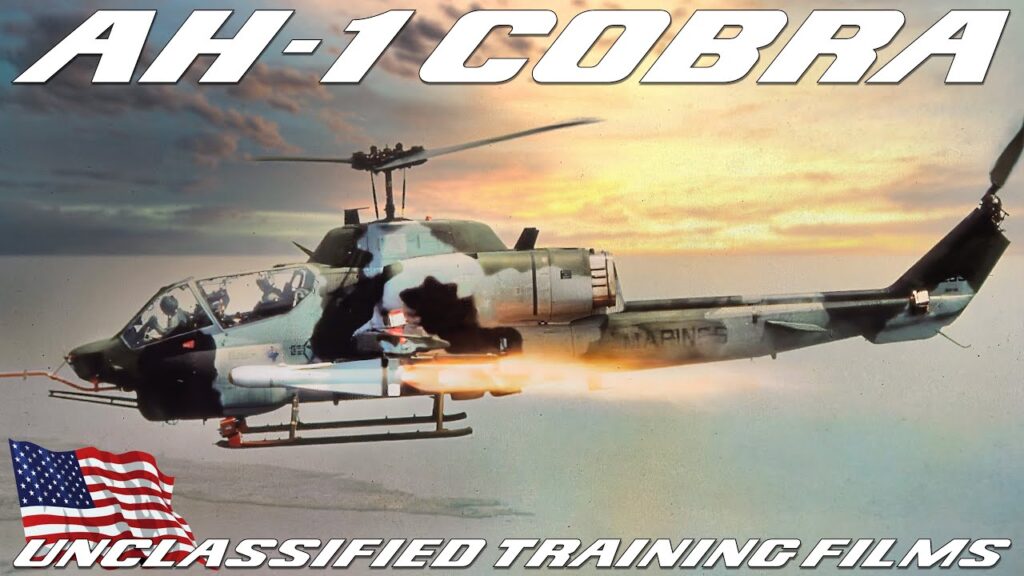
The History and Development of the Bell AH-1 Cobra
The Bell AH-1 Cobra, a two-blade, single-engine attack helicopter, was first manufactured by Bell Helicopter in 1965 as part of the United States response to the escalating Vietnam War. The development of this iconic aircraft was largely influenced by the need for an aerial platform that could provide accurate and effective fire support in the dense jungles of Vietnam.
The initial design of the AH-1 Cobra was based on the UH-1 Iroquois, with the main difference being a thinner, elongated fuselage. The prototype, named the Bell 209, was introduced in September 1965 and successfully outperformed other contenders, leading to its official selection by the U.S Army in 1966. The first production Cobra, the AH-1G HueyCobra, was delivered in 1967 and was soon put into service.
Modifications and Variants
Over the years, the Bell AH-1 Cobra underwent a series of modifications and improvements to enhance its combat performance and survivability. The AH-1F, also known as the Modernized Cobra, was one of the most significant variants, featuring a new engine, transmission, and dynamic system. In the late 1980s, Bell developed the AH-1W SuperCobra, a twin-engine version with advanced weapons capabilities.
The latest variant, the AH-1Z Viper, was introduced in the early 2000s and features a four-blade, bearingless, composite main rotor system, improved avionics, and a more powerful engine. It continues to serve as the backbone of the U.S Marine Corps attack helicopter fleet.
Technical Specifications and Performance of the Bell AH-1 Cobra
The Bell AH-1 Cobra is a two-blade, single-engine attack helicopter manufactured by Bell Helicopter. Known for its speed and agility, the AH-1 Cobra has a maximum speed of 171 mph (276 km/h) and a cruising speed of 131 mph (211 km/h). Its range is 357 miles (574 km), which allows for extended operations without the need for frequent refueling. The AH-1 Cobra has a service ceiling of 11,400 feet (3,475 meters), allowing it to operate effectively in various terrain and weather conditions.
Powerplant and Armament
The Cobra is powered by a single Lycoming T53-L-13 turboshaft engine, capable of producing 1,100 shp (820 kW). Its armament is varied and can be tailored to mission requirements, but typically includes a 20 mm M197 3-barreled Gatling cannon in the M97 turret. It can also carry 2.75 in (70 mm) rockets, TOW missiles, and Hellfire missiles, making it a formidable adversary in any combat scenario.
Design and Avionics
The Bell AH-1 Cobra is renowned for its slim, tandem seating design, which reduces its visual and radar profile, making it harder to target. The aircraft also features advanced avionics, including the Integrated Avionics System (IAS), which combines navigation, communication, and weapon delivery systems into a single, manageable interface. The AH-1 Cobras design and advanced systems work together to enhance its operational performance and survivability on the battlefield.
With these technical specifications and performance features, the Bell AH-1 Cobra continues to play a critical role in modern warfare. Its speed, armament, and design make it an effective and reliable choice for ground attack missions.
The Role of the Bell AH-1 Cobra in Military Aviation
The Bell AH-1 Cobra has played an indispensable role in military aviation since its inception in the mid-20th century. As the backbone of the United States Armys attack helicopter fleet, the Cobra has been pivotal in numerous military engagements, demonstrating exceptional versatility and reliability. It was the first rotary-wing aircraft specifically designed for attack missions, setting a precedent for future developments in military aviation.
Key Contributions of the Bell AH-1 Cobra
The Bell AH-1 Cobras most significant contribution to military aviation has been its role as an attack helicopter. It was designed to provide air support for ground forces, a role it excelled in during the Vietnam War. Its revolutionary design, characterized by a narrow fuselage and tandem seating, allowed for improved aerodynamics and visibility, enabling it to perform its role effectively. Moreover, it was equipped with advanced weaponry, including a 20mm cannon and a variety of rockets and missiles, which made it a formidable force in the battlefield.
The Bell AH-1 Cobra also introduced several technological innovations that have had a lasting impact on military aviation. Among these was the integration of advanced avionics systems, which improved the helicopters navigational capabilities and overall performance. Additionally, the Cobra was among the first helicopters to use a turboshaft engine, which offered increased power and efficiency.
Legacy of the Bell AH-1 Cobra
The Bell AH-1 Cobras legacy in military aviation is evident in its continued use and influence on modern attack helicopters. Its design principles and technological innovations have been incorporated into subsequent models, such as the AH-64 Apache, underscoring the Cobras lasting impact. The helicopters impressive service record and pioneering design continue to make it a symbol of American military aviation.
Comparing the Bell AH-1 Cobra with Other Attack Helicopters
The Bell AH-1 Cobra has been a staple in the world of military aviation since its introduction in the 1960s. This attack helicopter, designed for the United States Army, has seen various upgrades over the years, allowing it to stay competitive with other modern attack helicopters. The Cobras slim profile, speed, and powerful armament have made it a formidable force on the battlefield.
Comparison with the Apache AH-64
When comparing the Bell AH-1 Cobra to other attack helicopters, the Apache AH-64 often comes to mind. The Apache, introduced a couple of decades after the Cobra, boasts more advanced technology and greater firepower. It features a 30mm automatic cannon, compared to the Cobras 20mm cannon. However, the Cobra has a higher maximum speed at 219 mph, compared to the Apaches 182 mph. The Apache may have an edge in firepower and technology, but the Cobra excels in speed and maneuverability.
Comparison with the Mil Mi-24
Another notable comparison is with the Russian Mil Mi-24, often referred to as the “Hind.” The Hind is a large and heavily armed helicopter, boasting a formidable array of weapons including anti-tank missiles and a large-caliber machine gun. It also has the added capability of carrying up to eight troops, something the Cobra cannot do. However, the Cobras slimmer profile and superior speed give it an advantage in certain combat situations.
In summary, while other attack helicopters like the Apache AH-64 and the Mil Mi-24 may offer more advanced technology or greater firepower, the Bell AH-1 Cobra holds its own with its speed, maneuverability, and proven combat record. Each of these helicopters has its strengths and weaknesses, and their effectiveness can vary greatly depending on the specific mission and battlefield conditions.
The Future and Modern Upgrades of the Bell AH-1 Cobra
When it comes to advanced technology and impressive firepower, the Bell AH-1 Cobra has always been at the forefront. In its decades of service, this attack helicopter has seen numerous upgrades and modifications, making it an enduring icon in the world of military aviation. With future enhancements and modern upgrades in the pipeline, the Bell AH-1 Cobra continues to evolve to meet the changing demands of the battlefield.
Next-Generation Firepower and Defense Systems
One of the most significant areas of focus for the future upgrades of the Bell AH-1 Cobra is its weaponry. The introduction of next-generation firepower systems, such as advanced missile systems and laser-guided munitions, is expected to enhance the Cobras strike capabilities. Furthermore, upgrades to its defense systems, including advanced radar warning receivers and electronic warfare systems, will significantly improve the Cobras survivability in hostile environments.
Enhanced Avionics and Flight Performance
Another key area of focus for the future of the Bell AH-1 Cobra is the enhancement of its avionics and flight performance. With the integration of modern digital avionics, the Cobras flight control, navigation, and communication systems are expected to see significant improvements. Moreover, upgrades to the helicopters engine and rotor system aim to boost its speed, agility, and overall flight performance, making it an even more formidable asset in combat situations.
Overall, the future of the Bell AH-1 Cobra looks bright, with numerous modern upgrades planned to enhance its capabilities. From advanced firepower and defense systems to improved avionics and flight performance, these upgrades are set to ensure the Cobras continued relevance and effectiveness in the modern battlefield.