
The History and Development of the Aérospatiale Alouette III
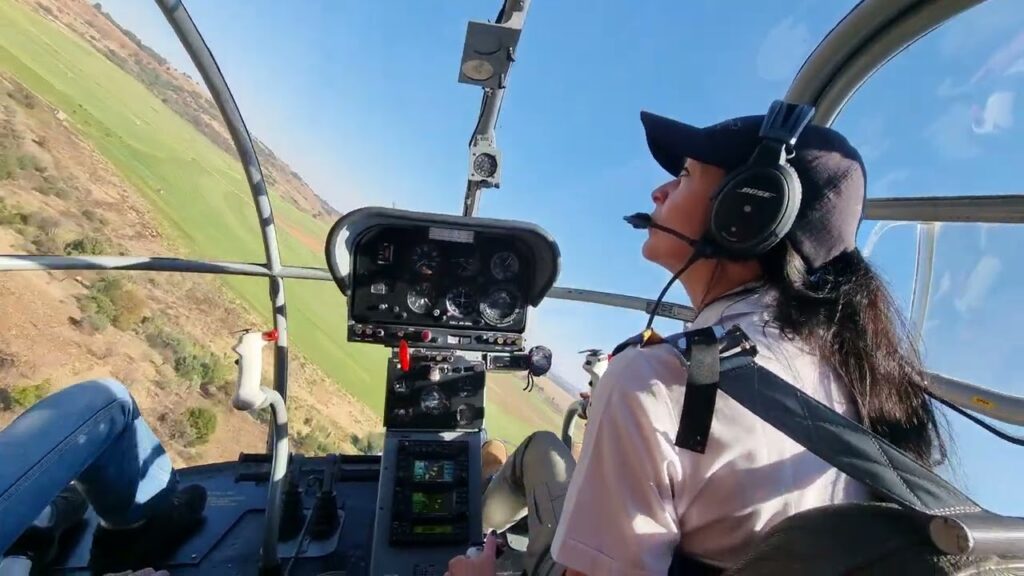
The Aérospatiale Alouette III is a single-engine, light utility helicopter developed by French aircraft company, Sud Aviation, later known as Aérospatiale. The development of the Alouette III began in the late 1950s, with the initial model, designated SA 3160, making its first flight on February 28, 1959. Its creation was a direct result of the success of its predecessor, the Alouette II, and the need for a more powerful and versatile aircraft.
Early Development and Production
The Alouette III was designed with a larger cabin than the Alouette II, capable of carrying seven passengers instead of four. It was also equipped with a more powerful Turbomeca Artouste IIIB turboshaft engine, providing enhanced performance and versatility. The first production model was introduced in 1961, and over the years, it has been produced in numerous variants, each with specific modifications to meet different operational requirements.
International Success and Variants
The Alouette III quickly became a commercial success, with over 1400 helicopters being built and exported to more than 80 countries worldwide. Notably, it was used extensively by the military, particularly for search and rescue missions, due to its high-altitude performance and stability. Various versions of the Alouette III have been developed, including the SA 316B for civil use, the SA 319B with an upgraded engine, and the SA 316C with an improved gearbox.
Legacy and Continued Use
The Alouette IIIs production officially ended in 1985, but the helicopter continues to be in use today in both military and civilian roles. It remains a testament to the innovative design and robust construction of Aérospatiale. Despite its age, the Alouette III continues to serve as a reliable workhorse in many parts of the world, highlighting its significant impact in the history of aviation.
Technical Specifications and Performance of the Aérospatiale Alouette III
The Aérospatiale Alouette III is a single-engine, light utility helicopter developed by French aircraft company, Sud Aviation (later Aérospatiale). Its design represents a significant leap in the aviation industry with impressive technical specifications and performance metrics.
Technical Specifications
The Aérospatiale Alouette III measures 12.84 meters in length with a rotor diameter of 11.02 meters, and stands at a height of 3.00 meters. It is powered by a single Turbomeca Artouste IIIB turboshaft engine, capable of producing 870 shaft horsepower. This helicopter has a seating capacity of up to 7 passengers, including the pilot, with a maximum takeoff weight of 2200 kg. Furthermore, the Alouette III is equipped with a three-blade main rotor and a three-blade tail rotor, all designed for optimum performance and maneuverability.
Performance
When it comes to performance, the Aérospatiale Alouette III does not disappoint. It boasts a maximum speed of 210 km/h and a cruise speed of 185 km/h, making it ideal for various missions including search and rescue, medevac, and transport. The Alouette IIIs service ceiling is approximately 3,200 meters, with a climb rate of 4.3 m/s. Moreover, it has an impressive range of 540 kilometers, enabling it to cover long distances without the need for frequent refueling.
In conclusion, the Aérospatiale Alouette IIIs combination of high performance and technical specifications has made it a preferred choice for both military and civil operators worldwide. Its versatility and reliability continue to be appreciated decades after its first flight, underscoring the timeless design and engineering prowess of Sud Aviation.
Aérospatiale Alouette III: Its Role in Military and Civil Aviation
The Aérospatiale Alouette III is a single-engine, light utility helicopter developed by French aircraft company, Sud Aviation. It played a significant role in both military and civil aviation, known for its versatility, reliability, and robust design. Introduced in 1959, the Alouette III was used in diverse roles, including transport, training, casualty evacuation, and search and rescue missions, marking a milestone in the history of aviation.
Military Role of Aérospatiale Alouette III
In the military sphere, the Aérospatiale Alouette III was extensively used by armed forces worldwide. Its superior high-altitude performance was proven when it set several world records, including the first helicopter landing on Mount Everest. The Alouette III was instrumental in combat, reconnaissance, and logistic support missions. Its exceptional adaptability allowed for its use in varied climates and terrains, from the hot deserts of Africa to the icy landscapes of Antarctica.
Civil Aviation Role of Aérospatiale Alouette III
On the civil aviation front, the Aérospatiale Alouette III was equally influential. Its capacity to carry up to seven passengers made it a popular choice for civilian transport. It was also used in a variety of other roles, including medical evacuation, firefighting, and as a flying ambulance. Its impressive maneuverability and safety record made it a preferred choice for challenging missions such as search and rescue operations in difficult terrains.
Whether in military or civil aviation, the Aérospatiale Alouette III has left an indelible mark. Its enduring legacy is testament to its pioneering design and multifaceted utility, which continues to inspire the evolution of aviation technology.
Notable Missions and Achievements of the Aérospatiale Alouette III
The Aérospatiale Alouette III has a decorated history with numerous missions and achievements to its name. One of its most noteworthy missions was its extensive use in the rescue operations in the Himalayas. In 1960, an Alouette III, piloted by Lieutenant Jean Boulet, set an altitude record by landing and taking off from Dhaulagiri in the Himalayas at a height of 7,500 meters. This remarkable feat demonstrated the helicopters excellent high-altitude performance and enhanced its reputation as a reliable rescue vehicle.
Another significant achievement was during the Angolan Civil War in the 1970s and 80s, where it was extensively used for military purposes. The Alouette IIIs versatility, reliability, and durability were put to the test in the challenging conditions of the Angolan terrain. It served as an air ambulance, troop transport, and even a gunship, underlining its multi-role capability.
World Records and Technological Innovations
The Aérospatiale Alouette III has also been a record breaker in terms of technological innovations and world records. In 1972, an Alouette III set a new world speed record for helicopters, achieving a top speed of 372.5 km/h. This record held for many years, highlighting the helicopters impressive engineering and design.
Furthermore, the Alouette III was one of the first helicopters to use a turboshaft engine, a feature that is now standard in most modern helicopters. This technological innovation allowed the Alouette III to deliver superior performance, particularly in terms of speed and altitude capabilities. Its influence on helicopter design and engineering cannot be overstated, making it a truly significant aircraft in the history of aviation.
Comparing the Aérospatiale Alouette III with Other Helicopters of its Era
The Aérospatiale Alouette III, a single-engine, light utility helicopter developed by French manufacturer Sud Aviation, made its first flight in 1959. At the time, it was a significant leap forward in helicopter technology. Comparing the Aérospatiale Alouette III with other helicopters of its era, such as the Bell UH-1 Iroquois or the Mil Mi-4, highlights the innovation and versatility of this French marvel.
The Alouette III vs The Bell UH-1 Iroquois
The Bell UH-1 Iroquois, also known as the “Huey,” was an American helicopter that served as a workhorse during the Vietnam War. Although the Huey was larger and could carry more passengers, the Alouette III had a distinct advantage in terms of its high-altitude performance. Thanks to its advanced engine and rotor system, the Alouette III could operate efficiently in mountainous regions, something the Huey struggled with. Additionally, the Alouette III was known for its exceptional reliability and ease of maintenance, making it a preferred choice for many operators around the globe.
The Alouette III vs The Mil Mi-4
Comparing the Alouette III to the Soviet Mil Mi-4, another contemporary, reveals another facet of the Alouettes superiority. While the Mi-4 was a powerful helicopter in its own right, it was also notoriously difficult to fly and maintain. The Alouette III, on the other hand, was known for its user-friendly design and simplicity of operation. Furthermore, the Alouette III boasted superior agility and maneuverability, making it an excellent choice for search and rescue operations, as well as for use in challenging terrains.
Overall, while the Aérospatiale Alouette III might not have been the largest or most powerful helicopter of its era, its high-altitude performance, reliability, and user-friendly design set it apart from its contemporaries.