
Understanding the History and Design of the Mil Mi-14 Haze
The Mil Mi-14 Haze is a renowned amphibious helicopter, born out of the Soviet Unions strategic necessity during the Cold War. This aviation marvel traces its origins back to the early 1960s when the Mil Moscow Helicopter Plant initiated its development. It was built as an anti-submarine warfare helicopter, intended to replace the aging Mi-4. The first prototype of the Mi-14 took to the skies for its maiden flight in 1969, and by 1976, the aircraft was already in service with the Soviet Naval Aviation.
The Design of the Mil Mi-14 Haze
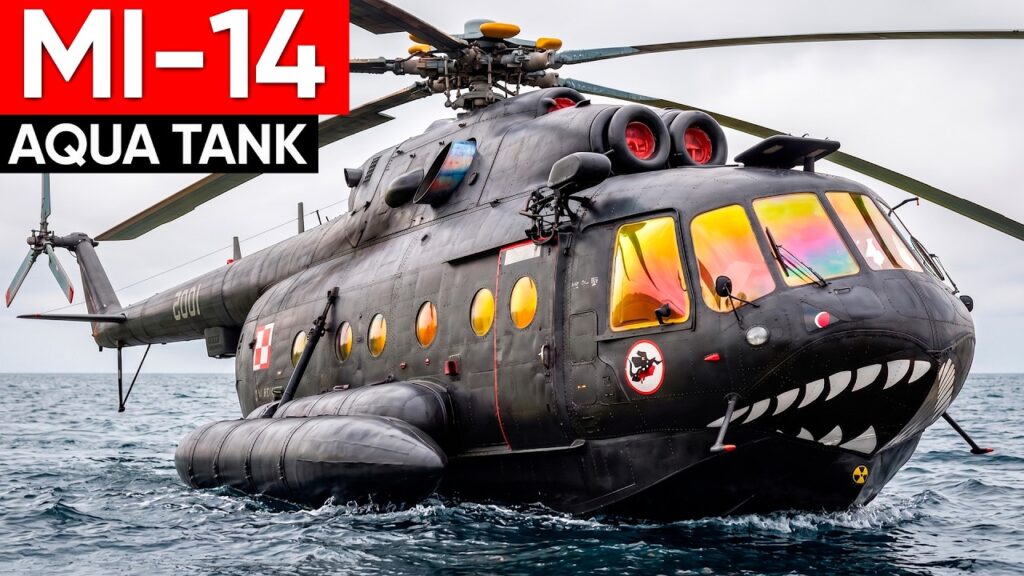
One of the standout features of the Mil Mi-14 Haze is its design. The aircraft boasts a unique amphibious hull, which allows it to land and take off from water surfaces. This distinctive design was a deviation from its predecessor, the Mi-4, which had a conventional helicopter design. The Mi-14 has a large five-blade main rotor and a three-blade tail rotor. Its powered by two turboshaft engines, each providing a robust 1,600 horsepower.
The Mi-14s fuselage features a boat-like hull with a step for water takeoffs and landings, and it has retractable tricycle landing gear. The aircraft can carry a wide range of equipment, including torpedoes, depth charges, and buoys. The Mi-14s cockpit is designed to accommodate two pilots, a navigator, a radar operator, and a systems operator. It also features advanced avionics for navigation and target detection.
Upgrades and Variants of the Mil Mi-14 Haze
Over the years, the Mil Mi-14 Haze has seen several upgrades and variants to meet evolving operational requirements. These include the Mi-14P, a search and rescue variant, and the Mi-14BT, a mine countermeasures variant. The Mi-14PL was another significant variant, equipped with a dipping sonar and magnetic anomaly detector, enhancing its anti-submarine warfare capabilities. Despite its retirement from Russian service in 1996, the Mil Mi-14 Haze remains in service in several countries worldwide, testament to its robust design and versatile performance.
Exploring the Unique Features of the Mil Mi-14 Haze
The Mil Mi-14 Haze is an impressive amphibious helicopter that was produced by the Soviet Union. This versatile aircraft has several unique features that set it apart from other helicopters of its era.
Advanced Amphibious Design
One of the most striking features of the Mil Mi-14 Haze is its advanced amphibious design. This allows the helicopter to land and take off from water, significantly increasing its operational flexibility. The fuselage of the Mi-14 is boat-shaped, complete with a stepped hull for improved water handling. It is also fitted with twin floats on the undercarriage to maintain stability when on the water.
Powerful Turboshaft Engines
The Mil Mi-14 Haze is powered by two Isotov TV3-117MT turboshaft engines, each producing up to 1,950 horsepower. These powerful engines allow the helicopter to reach speeds of up to 230 km/h (143 mph), with a service ceiling of 4,000 meters (13,123 feet). This makes the Mi-14 one of the most powerful amphibious helicopters ever built.
Armed for Anti-Submarine Warfare
Another unique feature of the Mil Mi-14 Haze is its armament. The helicopter is equipped for anti-submarine warfare, carrying torpedoes, depth charges, and sonobuoys. It also features a dipping sonar and magnetic anomaly detector, making it a formidable asset in naval operations.
Overall, the Mil Mi-14 Haze is a marvel of aviation engineering, combining versatility, power, and advanced warfare capabilities in one machine. Its unique features have secured its place in the annals of aviation history.
Comparing the Mil Mi-14 Haze with Other Military Helicopters
The Mil Mi-14 Haze is a noteworthy figure in the world of military helicopters. Its distinctive design and capabilities set it apart from other military helicopters in several key areas. For instance, unlike many helicopters, the Mil Mi-14 Haze boasts an amphibious design, allowing it to land and take off from water, a unique feature that significantly broadens its range of operational capabilities.
Comparing Design and Performance
When compared to other military helicopters such as the Sikorsky UH-60 Black Hawk or the Boeing AH-64 Apache, the Mil Mi-14 Haze stands out for its impressive payload capacity and range. While the Black Hawk and Apache are renowned for their speed and agility, the Mil Mi-14 Haze is designed for long-range, heavy-duty tasks. The Haze can carry up to 32 troops or 4,000 kg of cargo, a capacity far exceeding that of many comparable military helicopters.
Role and Capabilities
Another area where the Mil Mi-14 Haze differs from other military helicopters is its roles and capabilities. While helicopters like the Apache are primarily used for attack missions, the Mil Mi-14 Haze is a multi-role helicopter, used for anti-submarine warfare, search and rescue, and transport. Its ability to operate in diverse conditions, including over water, gives it an edge over more specialized helicopters.
Despite its age, the Mil Mi-14 Haze remains an important asset in several military forces around the world due to its unique capabilities. Its comparison with other military helicopters highlights its versatility and the significant role it has played in military aviation history.
The Role of the Mil Mi-14 Haze in Military Operations
The Mil Mi-14 Haze has played a critical role in military operations since its inception. This Soviet Union-designed amphibious helicopter, which is still in operation today in a number of countries, has a unique capability that sets it apart from other military aircraft. The Mi-14 Haze is able to operate both on land and on water, providing unmatched flexibility in a variety of military operations.
Notable Features of the Mil Mi-14 Haze
The Mil Mi-14 Haze is equipped with a range of features that enhance its effectiveness in military operations. For instance, it has a robust radar system that enables it to detect and track submarines, making it a potent asset in anti-submarine warfare. In addition, the Mi-14 Haze is fitted with torpedoes and depth charges, further amplifying its capabilities in naval operations. The helicopters ability to land on water also means it can perform search and rescue operations at sea.
Historical Impact of the Mil Mi-14 Haze
The impact of the Mil Mi-14 Haze in military history cannot be overstated. During the Cold War, the helicopter was a key tool for the Soviet Navy, providing an effective counter to the threat of enemy submarines. It has also seen action in various conflicts around the world, including the Lebanese Civil War and the Gulf War, where its unique capabilities have proven invaluable. Furthermore, the Mi-14 Hazes design has influenced the development of subsequent military helicopters, underlining its lasting impact on military aviation.
Why the Mil Mi-14 Haze Stands Out in Aviation History
The Mil Mi-14 Haze holds a significant place in aviation history, standing out for its unique design, versatile functionality, and notable military service. This amphibious helicopter, developed by the Soviet Union in the 1960s, has a distinctive boat-like hull which enables it to land on water, a feature not common in most military aircraft of its time.
Design and Capabilities
One of the key reasons the Mil Mi-14 Haze stands out is due to its innovative design. The aircrafts boat-like hull is not just for show – it gives the helicopter amphibious capabilities, allowing it to land and take off from water. This design feature opens up a range of tactical possibilities that were unprecedented at the time of its development. Additionally, the helicopter is equipped with powerful engines and advanced navigation systems, enabling it to perform a variety of missions in diverse conditions.
Notable Military Service
Another factor that sets the Mil Mi-14 Haze apart in aviation history is its notable military service. The aircraft has served in various roles such as anti-submarine warfare, search and rescue, and transport, demonstrating its versatility and reliability. Its service in various military and peacekeeping operations across the globe highlights its importance and effectiveness as a military tool.
Variants and Legacy
The Mil Mi-14 Haze also stands out due to its numerous variants. From the Mi-14P (a civilian passenger variant) to the Mi-14PL (an anti-submarine version), each variant was designed with specific missions in mind, further showcasing the helicopters adaptability. Despite being out of production, the legacy of the Mil Mi-14 Haze lives on, with several of these helicopters still in service today, a testament to their durability and timeless design.