
The History and Design of the Kamov Ka-18
The Kamov Ka-18 was a significant advancement in Soviet helicopter technology, marking its place in aviation history. Initially designed and produced in the mid-20th century, the Ka-18s creation was spearheaded by the prominent Russian helicopter designer, Nikolai Illyich Kamov. Its primary purpose was to serve as a utility helicopter, with its design largely based on its predecessor, the Kamov Ka-15. Notably, the Ka-18 had a more substantial body, which allowed for an increased payload capacity and more accommodation for passengers.
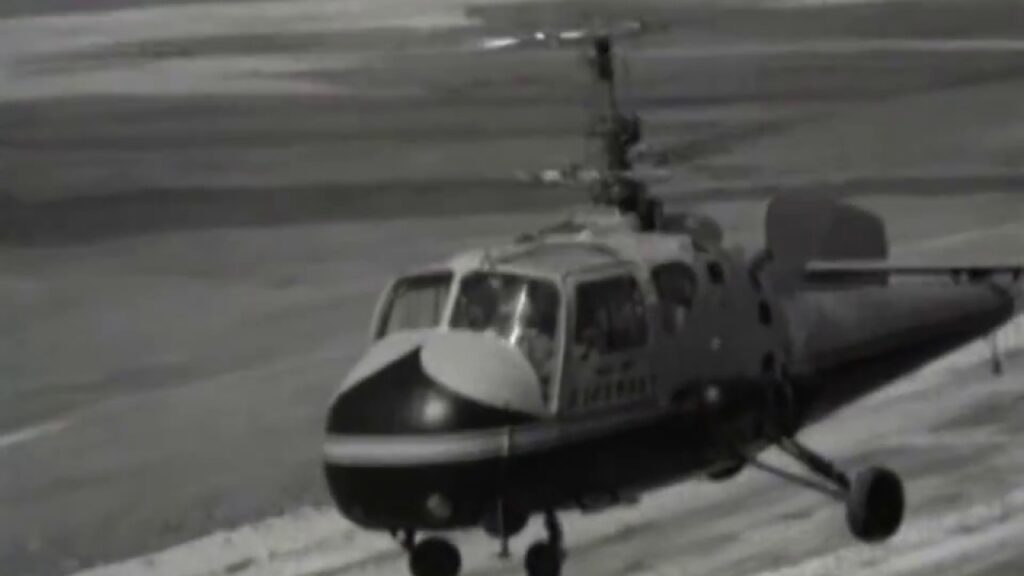
One of the defining features of the Kamov Ka-18 was its unique coaxial rotor design. This design feature was a common trait in Kamovs helicopters, contributing to the aircrafts exceptional stability and maneuverability. The Ka-18 was equipped with two three-bladed rotors, one stacked above the other, rotating in opposite directions. This eliminated the need for a tail rotor, which is typically used to counteract the torque produced by the main rotor in conventional helicopters.
In terms of power, the Kamov Ka-18 was powered by a single Ivchenko AI-14V radial engine, producing up to 260 horsepower. This allowed the helicopter to reach a top speed of 150 km/h and a range of approximately 360 km. The aircraft had a maximum takeoff weight of 1,650 kg, including a payload capacity of 500 kg.
The Ka-18 served primarily in the Soviet Naval Aviation and the Aeroflot airlines. Despite its relatively short production period from 1957 to 1965, the Kamov Ka-18 left a lasting legacy, demonstrating the potential and versatility of coaxial rotor helicopters. This innovative design continues to influence the development of modern helicopters, cementing the Ka-18s place in aviation history.
Key Features and Specifications of the Kamov Ka-18
The Kamov Ka-18 is a well-known Soviet-era helicopter, renowned for its unique features and specifications. A notable feature of this aircraft is its coaxial rotor design, a hallmark of Kamovs helicopter design philosophy. This design eliminates the need for a tail rotor, thereby increasing the overall efficiency and stability of the helicopter. It also allows the Ka-18 to operate in tight spaces and challenging weather conditions.
Performance Specifications
The Kamov Ka-18 is powered by an AI-14V air-cooled radial piston engine, which generates a power output of 265 horsepower. This gives the helicopter a maximum speed of 150 km/h and a service ceiling of 3000 meters, making it suitable for a variety of roles such as utility transport and maritime patrol. The Ka-18 can carry up to four passengers and has a maximum takeoff weight of 1950 kg.
Design and Equipment
Another distinctive feature of the Kamov Ka-18 is its all-metal fuselage, which enhances the aircrafts durability and resilience. The helicopters compact size, combined with its robust design, make it an excellent choice for operations in challenging environments. In terms of equipment, the Ka-18 comes with a basic instrumentation package, including a compass, altimeter, and speed indicator. The cockpit also features a heater and defroster system, making the Ka-18 capable of operating in cold weather conditions.
In summary, the Kamov Ka-18 stands out for its unique design, robust performance, and versatile capabilities. Its coaxial rotor design, powerful engine, and all-metal fuselage are just a few of the features that make this helicopter a valuable asset in a variety of operational contexts.
The Role of the Kamov Ka-18 in Aviation
The Kamov Ka-18 was an integral part of aviation history, playing a crucial role particularly in the Soviet Unions military and civil aviation sectors. This four-seat helicopter, a derivative of the Kamov Ka-15, was primarily designed for agricultural use, but it was also instrumental in various military operations, demonstrating its versatility and reliability.
The Ka-18 was renowned for its compact design, marked by a coaxial rotor system that allowed for superior maneuverability and performance in challenging conditions. This unique design attribute distinguished it from many other helicopters of its time and paved the way for future innovations in helicopter design. Furthermore, the Kamov Ka-18 was also capable of carrying heavy loads relative to its size, making it a valuable asset in both civil and military operations.
Impact on Civil Aviation
In the realm of civil aviation, the Kamov Ka-18 was primarily used for agricultural purposes, such as crop dusting and pest control. Its compact design and load-carrying capabilities made it ideal for navigating rural and remote areas, thereby enhancing agricultural productivity. The Ka-18s role in agricultural aviation illustrates the potential of helicopters in supporting various non-military applications.
Contributions to Military Aviation
Despite its primary role in agriculture, the Kamov Ka-18 also found application in military operations. Its maneuverability and compact size made it suitable for reconnaissance missions and transporting personnel or cargo in conflict zones. Its contributions to military aviation underscore the versatility and adaptability of this iconic helicopter.
Comparing the Kamov Ka-18 to Other Helicopters of its Era
The Kamov Ka-18, an iconic Soviet-era helicopter, stands out for its unique design and performance when compared to other helicopters of its era. This robust aircraft, known for its co-axial rotor design, was primarily used for agricultural and utility tasks, setting it apart from its contemporaries in terms of its functionality and purpose.
When comparing the Kamov Ka-18 to other helicopters of its time, such as the Bell 47 and the Sikorsky H-19, the Kamovs compact size and impressive lifting capacity become apparent. Despite its small size, the Kamov Ka-18 could transport up to four passengers or carry up to 500kg of cargo, surpassing the capabilities of many other helicopters of the same period.
Design and Performance Comparison
The design of the Kamov Ka-18 was unique and innovative. Unlike the conventional single rotor design of helicopters like the Bell 47, the Ka-18 featured a co-axial rotor design. This meant it had two sets of rotor blades, one on top of the other, rotating in opposite directions. This design eliminated the need for a tail rotor, making the Ka-18 more compact and easier to maneuver in tight spaces. This set the Ka-18 apart from its contemporaries and gave it a distinct advantage in terms of stability and handling.
Performance-wise, the Kamov Ka-18 also held its own against other helicopters of its era. It was powered by a 325 horsepower Ivchenko AI-14VF engine, allowing it to reach a top speed of 150 km/h. In comparison, the Bell 47, powered by a 178 horsepower Lycoming VO-435 engine, could only reach a top speed of 105 km/h. This clearly showcases the superior performance of the Kamov Ka-18 when compared to other helicopters of its time.
Understanding the Legacy of the Kamov Ka-18 in Modern Aviation
The Kamov Ka-18, a Soviet-era helicopter, has left a profound impact on modern aviation. A design marvel of its time, the Ka-18 was known for its exceptional durability and compact size, which were ground-breaking features in the mid-20th century. The Ka-18 was a reliable workhorse that played a pivotal role in various military and civilian operations, cementing its legacy in the annals of aviation history.
Notable Features of the Kamov Ka-18
Design and Durability: The Kamov Ka-18 was designed to be sturdy and robust. It was built to endure challenging weather conditions and perform under stress. Its co-axial rotor design was a significant departure from the traditional single rotor and tail rotor configuration. This unique design made the helicopter more stable and efficient, influencing the design of future helicopters.
Size and Versatility: The compact size of the Ka-18 made it versatile and adaptable. It could be used in a variety of scenarios, from rescue missions to military operations. Its ability to land and take off in tight spaces was a game-changer in aviation, leading to the development of similar compact helicopters in modern times.
Impact on Modern Aviation
The Kamov Ka-18’s legacy is evident in the current generation of helicopters. Its co-axial rotor design has influenced modern helicopters like the Kamov Ka-32 and Ka-52. The Ka-18’s robustness and versatility have led to the development of a new breed of compact, multipurpose helicopters.
Moreover, the Ka-18s reliability and durability have set a high standard for helicopter design, influencing how manufacturers approach the balance between performance and longevity. The Kamov Ka-18 has indeed left an indelible mark on the world of aviation, shaping the way we think about helicopter design and utility.