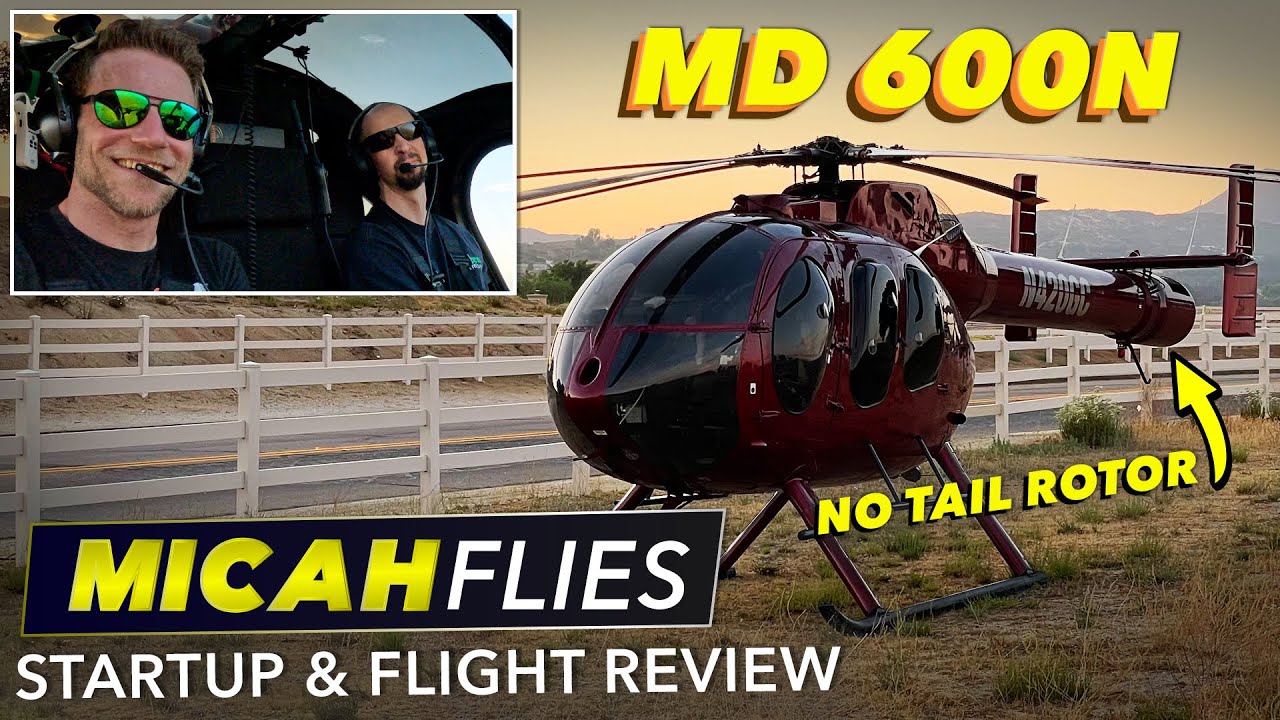

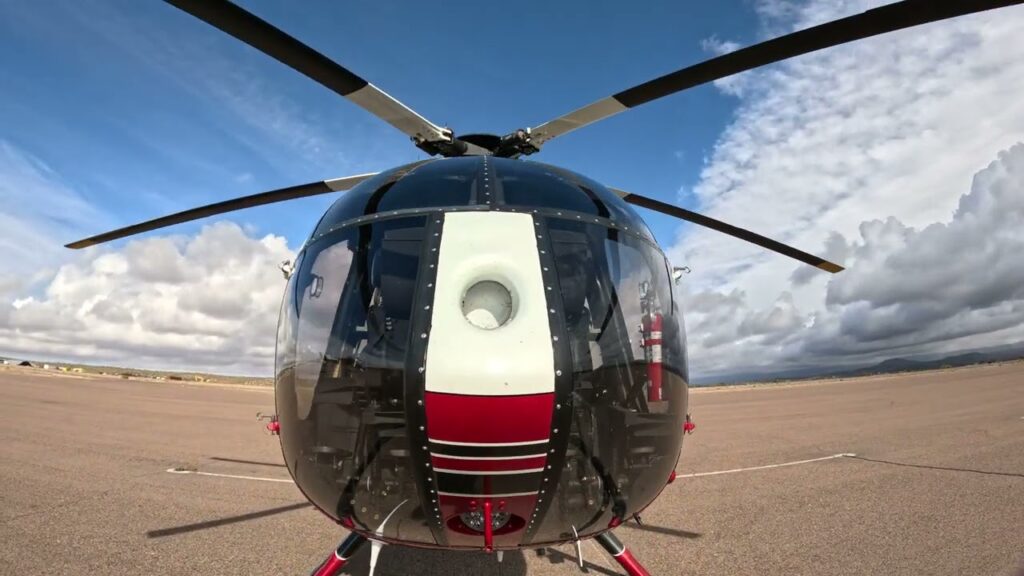
Overview of the McDonnell Douglas MD 900 Explorer
The McDonnell Douglas MD 900 Explorer is a twin-engine, light utility helicopter, manufactured by the renowned McDonnell Douglas Helicopter Systems, now part of Boeing. Introduced in the late 1980s, the MD 900 Explorer marked a significant leap in helicopter design, boasting advanced aerodynamics and state-of-the-art technology.
Design and Features
The MD 900 Explorer is notable for its unique NOTAR anti-torque system. This revolutionary system replaces the traditional tail rotor found on most helicopters with a fan enclosed in the tail boom, significantly enhancing safety and reducing noise levels. The helicopter also features a fully articulated main rotor system, a spacious cabin that can comfortably accommodate up to eight passengers, and a cockpit designed for single-pilot IFR operation. The Explorer’s twin Pratt & Whitney Canada PW206A turboshaft engines ensure reliable performance and remarkable fuel efficiency.
Performance and Applications
With a cruising speed of 267 km/h and a range of 435 km, the MD 900 Explorer is versatile and robust, making it suitable for a wide array of applications. It has been extensively used in law enforcement, air ambulance, offshore, utility, and corporate transport roles. The MD 900 Explorers excellent performance, combined with its advanced design, has cemented its position as a preferred choice in the light twin-engine helicopter category.
In summary, the McDonnell Douglas MD 900 Explorer stands as a testament to innovative design and advanced technology in the realm of aviation. Its unique features and impressive performance continue to make it a popular choice in various sectors, highlighting its enduring relevance in the helicopter market.
Technical Specifications of the McDonnell Douglas MD 900 Explorer
The McDonnell Douglas MD 900 Explorer is a twin-engine helicopter designed by McDonnell Douglas Helicopter Systems, now part of Boeing. It is known for its advanced technology and operational versatility, proving to be particularly useful in law enforcement, air ambulance, offshore, corporate, and utility missions.
Performance Specifications
The MD 900 Explorer is powered by two Pratt & Whitney Canada PW206E engines, each delivering a maximum continuous power of 550 horsepower. This twin-engine setup provides a cruising speed of 140 knots (260 km/h), a range of 267 nautical miles (494 km), and a service ceiling of 16,000 feet (4,877 meters). The helicopter can comfortably accommodate up to eight passengers, depending on the configuration, along with two crew members.
Design and Features
The MD 900 Explorer features a five-blade, fully articulated main rotor system made from composite material, and a NOTAR (NO TAil Rotor) system for anti-torque control. This unique design eliminates the need for a tail rotor, enhancing safety and reducing noise levels. The aircrafts wide, sliding cabin doors and low floor height make it easy for passenger entry and exit and the loading of cargo. Its advanced cockpit design integrates state-of-the-art avionics, including a fully digital automatic flight control system and a flight management system for navigational aid.
Dimensions
The MD 900 Explorer measures 12.65 meters in length and 3.72 meters in height. The diameter of the main rotor is 10.31 meters, while the tail boom has a length of 3.56 meters. The aircraft has a maximum takeoff weight of 2,948 kilograms and an empty weight of 1,610 kilograms, offering a useful load of 1,338 kilograms.
Overall, the McDonnell Douglas MD 900 Explorer stands out for its innovative design, impressive performance, and advanced safety features. Its versatility and adaptability to various missions make it a valuable asset in a range of industries.
Notable Features of the McDonnell Douglas MD 900 Explorer
The McDonnell Douglas MD 900 Explorer is a twin-engine light utility helicopter that is well-known for its unique and innovative design features. One of the standout features of the MD 900 Explorer is its NOTAR system, which stands for No Tail Rotor. This innovative technology provides anti-torque control by using a fan inside the tail boom to build a high volume of low-pressure air, which exits through two slots and creates a boundary layer flow of air along the tailboom utilizing the Coandă effect. This feature not only improves the safety of the helicopter by eliminating the tail rotor but also reduces noise levels, making the MD 900 Explorer a more eco-friendly option.
Advanced Cockpit and Flight Control System
Another notable feature of the MD 900 Explorer is its advanced cockpit and flight control system. The helicopter is equipped with a fully digital glass cockpit that utilizes the latest in avionics technology to provide pilots with real-time flight information. This includes a four-axis autopilot and an Integrated Instrument Display System (IIDS), making it easier for pilots to control the helicopter and enhance safety during flight operations.
Powerful Engine and Superior Performance
The MD 900 Explorer is powered by two Pratt & Whitney Canada PW206E engines, which are known for their power and reliability. These engines provide the helicopter with exceptional performance capabilities, including a top speed of 152 knots and a range of 430 nautical miles. The MD 900 Explorers performance is further enhanced by its five-bladed main rotor system, which is made of composite materials for improved durability and performance.
Spacious and Versatile Cabin
Finally, the MD 900 Explorers spacious and versatile cabin is another feature worth noting. It can comfortably accommodate up to eight passengers, making it an excellent choice for a variety of missions, including search and rescue, law enforcement, air ambulance, and corporate transport. The cabins design also allows for easy reconfiguration, adding to the helicopters versatility.
Operational History of the McDonnell Douglas MD 900 Explorer
The McDonnell Douglas MD 900 Explorer made its mark in aviation history when it took to the skies for the first time in December 1992. This versatile aircraft was designed and manufactured by McDonnell Douglas Helicopter Systems, now part of Boeing. Its development was a significant milestone in aviation as it was the first helicopter to be designed entirely on a computer. With its unique NOTAR system, which eliminates the need for a tail rotor, the MD 900 Explorer gained a reputation for being safer, quieter, and more efficient than its counterparts.
Commercial Use and Performance
In the commercial sector, the MD 900 Explorer quickly became a popular choice due to its versatility and performance. It was designed to excel in various roles, including law enforcement, air ambulance, offshore, utility, and executive transport. The MD 900s twin Pratt & Whitney Canada PW206A turboshaft engines provided it with a top speed of 152 knots and a range of 267 nautical miles, making it an ideal choice for a wide range of missions.
Adoption by Law Enforcement and Emergency Services
The McDonnell Douglas MD 900 Explorer found significant favor in law enforcement and emergency services. Its excellent maneuverability, combined with the NOTAR systems low noise levels, made it an attractive option for urban operations. Notable users include the Los Angeles Police Department and the London Air Ambulance, which praised the aircraft for its operational capabilities in dense city environments.
Continued Legacy
Despite the last MD 900 being produced in 2008, the aircrafts legacy continues with the MD 902, an upgraded version with enhanced features and capabilities. The MD 900s operational history stands as a testament to its design and engineering, cementing its place as a pioneering helicopter in aviation history.
Comparing the McDonnell Douglas MD 900 Explorer to Other Aircrafts
When it comes to versatility, performance, and safety, the McDonnell Douglas MD 900 Explorer stands out among its competitors. This twin-engine helicopter, produced by MD Helicopters, is renowned for its unique NOTAR anti-torque system, which makes it quieter and safer than most traditional helicopters. Unlike many other helicopters that use tail rotors, the MD 900 Explorers NOTAR system provides better control, reduces noise, and significantly lessens the risk of accidents related to tail rotor strikes.
Performance and Versatility
The MD 900 Explorer, with its spacious cabin and unobstructed flat-floor, offers a level of versatility that few other aircraft can match. It can accommodate a wide range of configurations for different roles, including law enforcement, air ambulance, search and rescue, and corporate transportation. When compared to other aircraft like the Eurocopter EC135 or Bell 429, the MD 900 Explorer offers similar speed and range but surpasses in terms of cabin space, making it a more comfortable option for long flights or missions requiring additional equipment.
Safety Features
As for safety, the MD 900 Explorers NOTAR system sets it apart from many other aircrafts. Most helicopters use a tail rotor for stability and control, but this comes with inherent risks, such as accidents from tail rotor strikes. The MD 900 Explorer, on the other hand, uses a revolutionary NOTAR system, which eliminates the need for a tail rotor. This feature not only reduces noise but also significantly enhances safety. Moreover, the MD 900 Explorer has a fully articulated main rotor system, which provides excellent handling qualities and reduces pilot workload, further contributing to the aircrafts overall safety.
Operational Costs
When it comes to operational costs, the McDonnell Douglas MD 900 Explorer proves to be more economical than many other aircraft in its class. Thanks to its NOTAR system, the maintenance costs associated with tail rotors are eliminated. In comparison to aircraft like the Sikorsky S-76 or AgustaWestland AW109, the MD 900 Explorer offers lower operating costs, making it a preferred choice for operators around the world.