
The History and Development of the Bristol 171 Sycamore
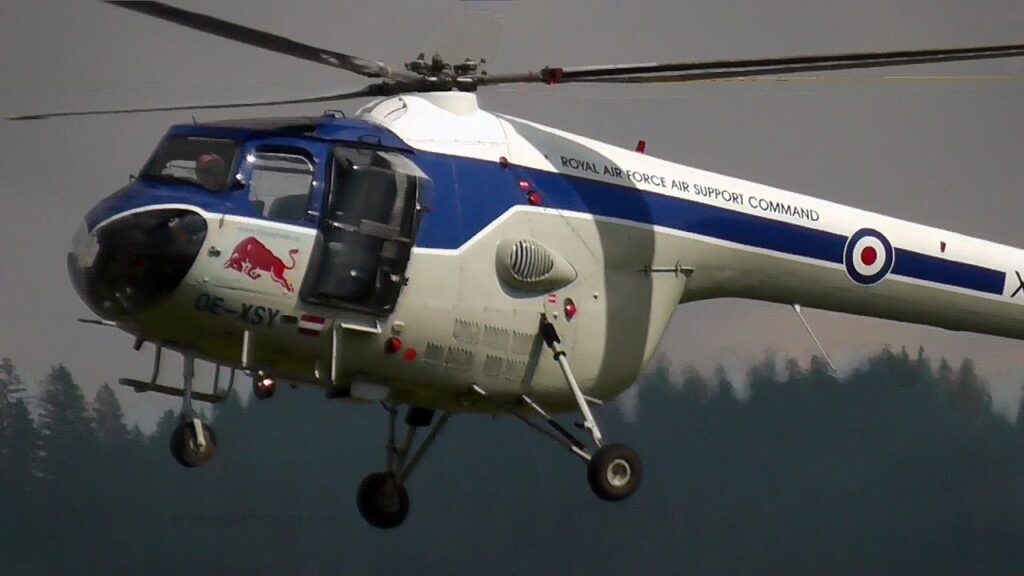
The Bristol 171 Sycamore is a historical marvel, marking a significant milestone in the world of aviation. Developed by the Bristol Aeroplane Company, it holds the distinction of being the first British helicopter to receive a certificate of airworthiness. The Sycamores development journey began in the early 1940s, during a time when helicopters were still a novelty. Its design was heavily influenced by the pioneering work of Raoul Hafner, an Austrian engineer who joined Bristol after his own company was absorbed.
The Birth of the Bristol 171 Sycamore
In 1944, Hafners design for the AR.III Gyroplane served as the foundational blueprint for the Sycamore. The initial prototype, known as the Type 171, first took flight in 1947. It featured a three-bladed rotor design and a radial engine. However, it underwent multiple iterations before reaching its final form. The Sycamore Mark I was the first version to enter production in 1951, boasting improved engine performance and enhanced safety features.
The Evolution of the Bristol 171 Sycamore
The Bristol 171 Sycamore underwent various stages of development, resulting in several models including the Mark II, Mark III, and Mark IV. Each subsequent model saw improvements in load-carrying capacity, engine power, and overall performance. Notably, the Mark IV, which was the most produced variant, featured a bubble canopy and was capable of carrying up to four passengers.
The Sycamores versatility made it a popular choice for various roles, ranging from search and rescue operations to personnel transport. By the time production ceased in 1959, a total of 180 Sycamores had been built, serving in various air forces around the world. Despite its retirement, the Bristol 171 Sycamores legacy endures, representing a significant chapter in the history of British aviation.
Technical Specifications and Features of the Bristol 171 Sycamore
The Bristol 171 Sycamore was an innovative helicopter, a product of British ingenuity and engineering prowess. It was the first British helicopter to receive a certificate of airworthiness and was widely used for search and rescue, military transport, and civil operations.
Design and Performance
The Bristol 171 Sycamore was a multi-role helicopter with a single, three-blade main rotor and a smaller anti-torque rotor located on the tail. The aircraft was powered by a single Alvis Leonides radial engine, producing 550 horsepower. This allowed the Sycamore to reach a maximum speed of 130 mph and a range of approximately 250 miles. The helicopter had a service ceiling of about 17,000 feet, making it highly effective for high-altitude operations.
Capacity and Utility
The Sycamore could comfortably accommodate up to four passengers in its spacious cabin, in addition to a two-person crew. This made it an ideal choice for search and rescue missions, as well as for transporting troops or supplies in military contexts. The Sycamore was also equipped with a cargo hook for external load lifting, further enhancing its versatility and utility.
Advanced Features
Despite being an early helicopter design, the Bristol 171 Sycamore was packed with advanced features. It was equipped with a full suite of flight instruments, allowing for instrument flight rules (IFR) operations. The Sycamore also featured a de-icing system for the main rotor, a rarity for helicopters of this era. This feature enabled the Sycamore to operate in adverse weather conditions, further expanding its operational capabilities.
The Role of the Bristol 171 Sycamore in Aviation History
The Bristol 171 Sycamore holds a distinguished place in aviation history as the first British helicopter to receive a certificate of airworthiness. It was developed and manufactured by the Bristol Aeroplane Company in the mid-20th century, marking a significant leap in aviation technology and capabilities. This versatile helicopter was used in various capacities, including search and rescue, military transport, and even served in scientific exploration missions.
Design and Development of the Bristol 171 Sycamore
The design and development of the Bristol 171 Sycamore began in the late 1940s, in response to the British governments call for a versatile and reliable helicopter. The Sycamore was designed with a three-blade main rotor and a four-blade tail rotor, a configuration that was innovative at the time. Its robust and adaptable design allowed it to perform in diverse roles and environments, from rescue missions in rough seas to ferrying troops in combat zones.
Operational Use and Legacy
The operational use of the Bristol 171 Sycamore further underscores its importance in aviation history. It was widely used by military and civilian organizations, including the Royal Air Force, Royal Navy, and numerous overseas operators. Notably, the Sycamore was deployed during the Malayan Emergency in the 1950s, providing critical support in airlifting troops and supplies.
The legacy of the Bristol 171 Sycamore extends beyond its operational lifespan. It paved the way for the development of more advanced helicopters and contributed to the evolution of rotary-wing aircraft. Today, the Sycamore stands as a symbol of the innovative spirit and technological prowess of the Bristol Aeroplane Company, and its role in aviation history remains an enduring testament to its significance.
Notable Missions and Uses of the Bristol 171 Sycamore
The Bristol 171 Sycamore was a notable British helicopter with an extensive history of use in various missions and applications. First flown in 1947, it served in many capacities across the globe. The Sycamore was notably used by the Royal Air Force (RAF) for search and rescue missions. Its versatility and reliable performance made it a vital asset in life-saving operations.
Search and Rescue Missions
The Sycamores most significant role was perhaps in the realm of search and rescue missions. The RAF extensively used this helicopter for this purpose, particularly in the North Sea and the mountainous regions of the United Kingdom. Its ability to hover and land in challenging terrains made it an ideal choice for these operations. The Bristol 171 Sycamore played a critical role in numerous life-saving missions, often under extreme weather conditions and demanding situations.
Military Operations
In addition to its service in search and rescue, the Sycamore also had notable usage in military operations. During the Malayan Emergency in the 1950s, it was deployed for troop transport and casualty evacuation. Its capabilities were also tested in the Suez Crisis, where it carried out a range of duties from medical evacuation to armed reconnaissance. These military operations highlighted the versatility and robustness of the Bristol 171 Sycamore.
Civilian Uses
Outside of its military applications, the Sycamore had several civilian uses. It was employed in various roles, including crop spraying, firefighting, and transportation of cargo and personnel. Its use in civilian roles further emphasized the adaptability and practicality of this remarkable helicopter.
Preserved Bristol 171 Sycamores: Where Can You See Them Today?
The Bristol 171 Sycamore was one of the most iconic British helicopters of the mid-20th century. Today, aviation enthusiasts and history buffs can find preserved Bristol 171 Sycamores in various locations around the world.
One such location is the Helicopter Museum in Weston-super-Mare, UK. Here, you can see the Bristol 171 Sycamore Mk.3, which was used for search and rescue missions by the Royal Air Force. This particular model is notable for its bright yellow paintwork, which was intended to make it easily visible in emergency situations.
The Bristol Aerospace Museum
Another significant location is the Bristol Aerospace Museum in Bristol, UK. This museum houses a Bristol 171 Sycamore HR.14, which served with the RAF in Germany during the 1950s and 1960s. The museum offers visitors a chance to learn about the helicopters history and technical specifications, as well as view it up close.
Overseas Preserved Sycamores
Overseas, preserved Bristol 171 Sycamores can be found at the Deutsches Museum in Munich, Germany, and the Royal Australian Navy Fleet Air Arm Museum in Nowra, Australia. These institutions provide a unique opportunity for international visitors to appreciate this historic aircraft. Whether youre a fan of aviation history or just interested in unique aircraft, the Bristol 171 Sycamore is a sight to behold.